Industrial Past on Foot: Exploring Devon’s Tin-Stamping Mills and Forested Valleys
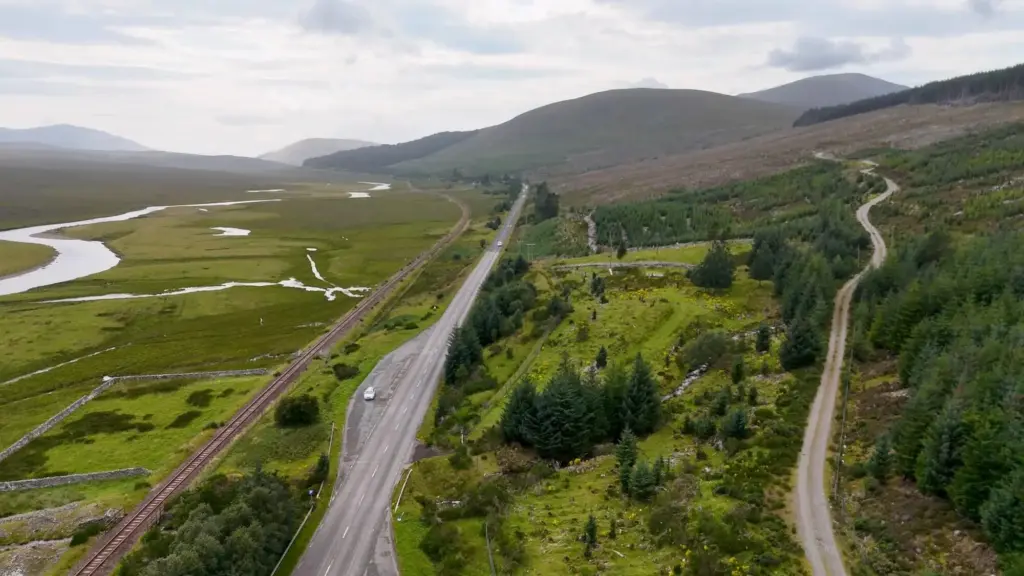
Set out to explore Devon’s tin-stamping mills and forested valleys, following old leats, clapper bridges, and shaded riverside paths where water once powered iron cams and thunderous stamps. We will blend practical walking advice, living history, and local voices to show how ore became metal and how woodlands slowly reclaimed the works. Expect stories from stannary towns, fieldcraft for reading ruins, and route ideas that invite you to pause, listen, and feel the industry underfoot while planning memorable, safe, and meaningful journeys.
Where Water Shaped Metal: Understanding the Mills
Before the silence of moss and fern settled, these valleys sang with waterwheels, camshafts, and stamp heads pounding tin ore into slurry. Understanding that choreography of timber, iron, and flow unlocks the landscape’s clues: the leveled platforms, the curved wheelpits, the tailraces slipping back to the river. Grasp the system, and every scattered stone starts speaking; every notch, groove, and channel becomes a sentence in an intricate industrial story still legible beneath leaves.
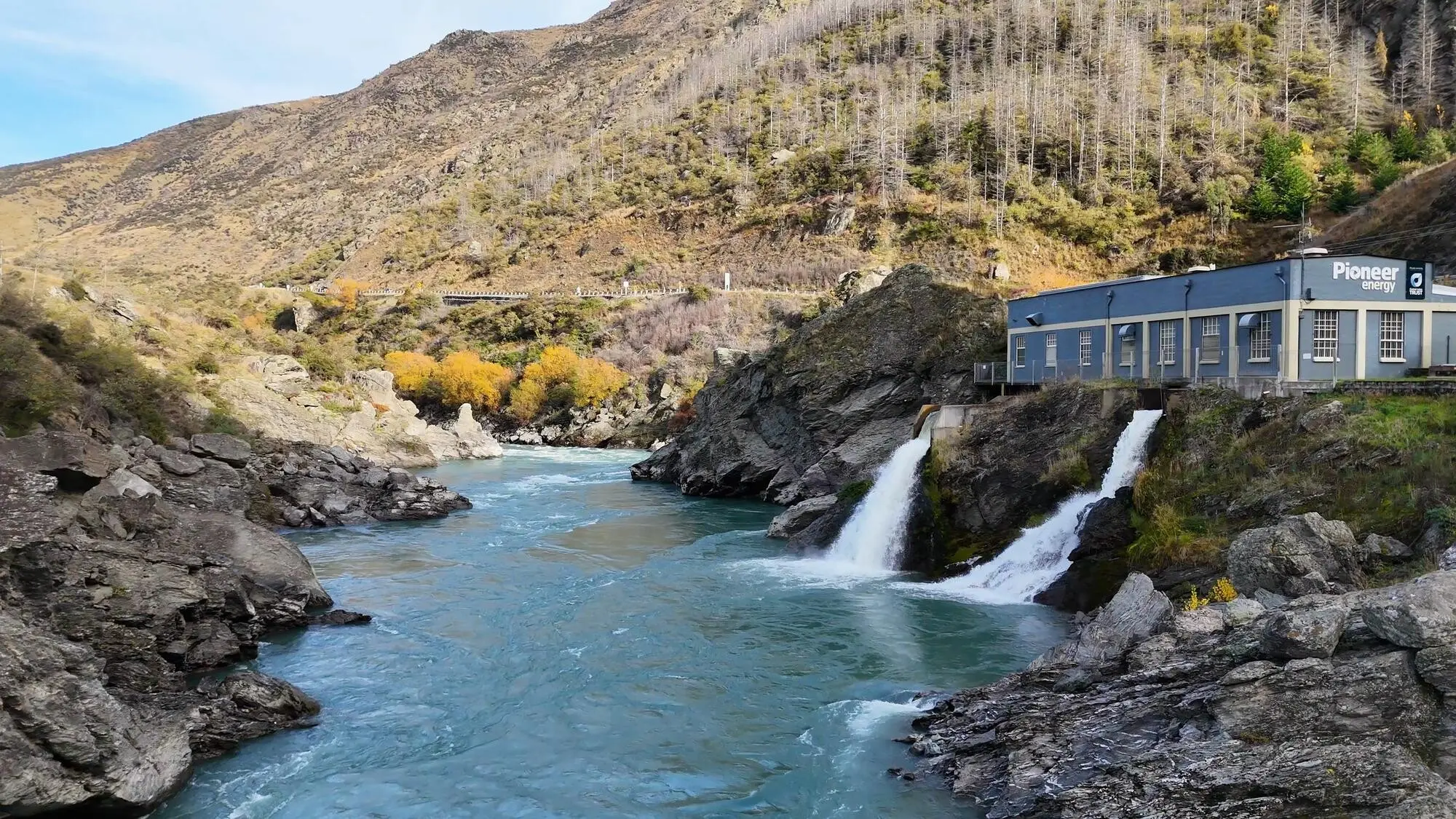
Imagine the river captured by a leat, urged onto a wheel whose turning lifted heavy stamp heads with rotating cams, then let them crash down in relentless rhythm. The thud carried through alder and oak, a heartbeat of work. Stand by a ruined wheelpit today and hear echoes in your breath; picture grease, damp oak, and the foreman’s shout, as mechanism and current braided muscle, time, and tin-rich stone into purposeful movement.
After the ore was pounded, gravity and water refined the slurry. On dressing floors, workers coaxed heaviness from lightness, guiding fines into buddles, launder boxes, and settling pits where tin minerals slowly separated. Look for shallow circular hollows, cobbled aprons, and deliberate edges softened by roots. Each remnant marks the patient science of the valley, where keen eyes, practiced hands, and measured flow transformed muddy chaos into promise that could survive a furnace’s hunger.

Paths Along Teign, Walkham, and Lydford
Walking here means reading both map and memory. In the Teign Gorge, at Fingle Bridge, echoes cling to granite parapets; along the Walkham, quiet leats contour the slope; near Lydford, spray and roar wash thoughts clean. These routes reveal the dialogue between river energy and human intention. Keep boots steady on roots, give time to every platform and wall, and let your pace match water’s curve as history unfolds, bend by thoughtful bend.
Stannary Towns and the Weight of Coinage
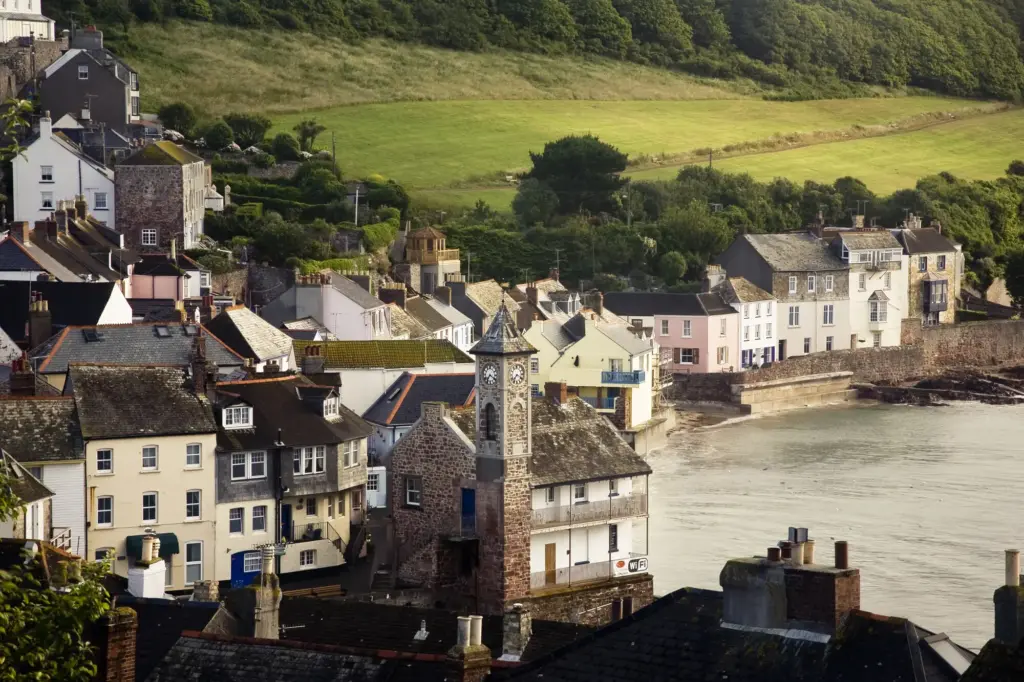
Picture loaded ponies clopping toward stannary halls, tin assayed and taxed before market. Regulations ensured purity; disputes were settled under eyes trained by generations. When you reach Chagford or Tavistock today, imagine merchants tallying accounts while rain glazed the square. Share reading recommendations, museum notes, or archive finds that brought this world alive for you, so walkers can pair footpaths with context and let each gate and stile open onto deepened understanding.
Hearths, Huts, and Winter Chores
Ruins on the moor sometimes mark shelters where tinners stored tools or weathered storms. Winter demanded mending handles, sharpening edges, planning charcoal, and watching water. Hold a pause among heather and picture a smoky hearth brightening cold faces. If you’ve camped nearby or walked through sleet, tell that story here: what kept you warm, which shortcut failed, which kindness mattered. Practical, personal notes help others prepare with humility when valleys turn suddenly stern.
Women, Children, and the Hidden Labors
Behind every celebrated load of metal stood unseen labor: carrying fuel, washing clothes sodden with grit, tending gardens clutching thin soil, minding accounts when prices dipped. Children learned river sense early, hearing warnings about floods and slippery ledges. When you write or share photos, honor these quiet contributions. Ask elders for remembered sayings, collect recipes suited to damp evenings, and weave domestic resilience into your route guides so industry includes the hearth that enabled it.
Hands, Laws, and Markets of the Moor
People shaped these valleys as surely as rivers did. Tinners bargained, apprenticed, argued, and celebrated under systems that turned rough ore into coin. Stannary towns—Tavistock, Ashburton, Chagford, Plympton—policed quality and collected dues, while families navigated lean winters and uncertain prices. Hearing their stories enhances every footing on a damp plank. Let these human patterns accompany your steps, reminding you that sweat, hope, and law textured the gorge long before ivy stitched memories across stone.
Reading Ruins with Care
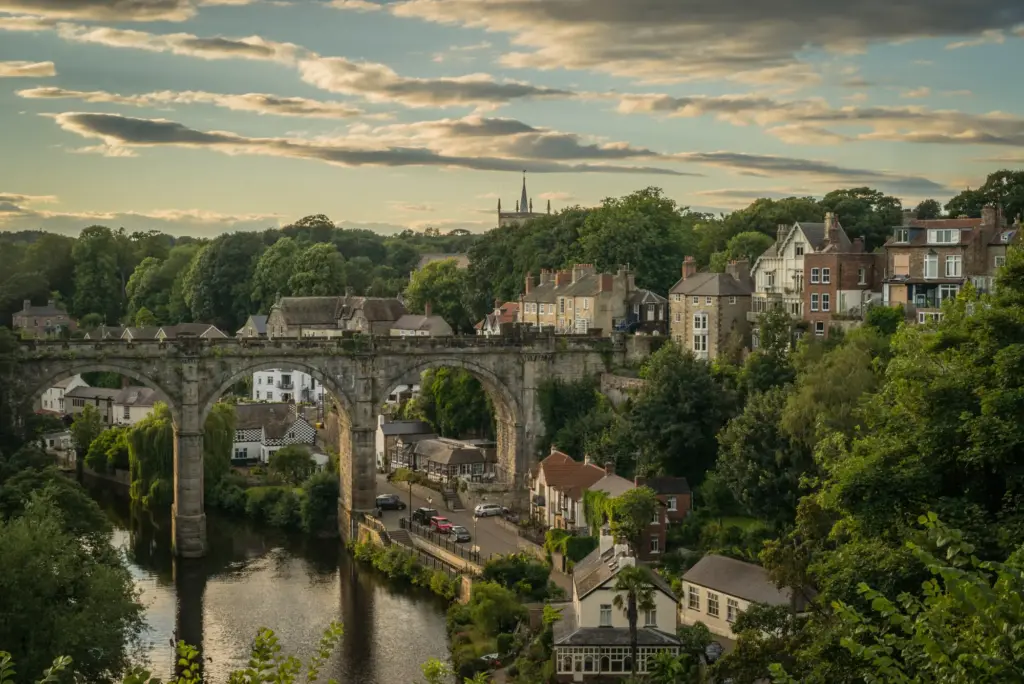
A respectful eye turns rubble into records. Mortar stones with cup-like hollows, mould stones with tidy rectangles, wheelpits with arched tailraces, and leats tracing improbable horizontals—each artifact deserves patience. Tread lightly, avoid prying, and let lichens keep their empires. Leave coordinates, descriptive sketches, and seasonal photos in community threads to help others learn identification. Shared observation, kindness to place, and gentle boots ensure these valleys keep teaching, even as brambles thicken and paths shift.
Spring Birdsong Over Granite
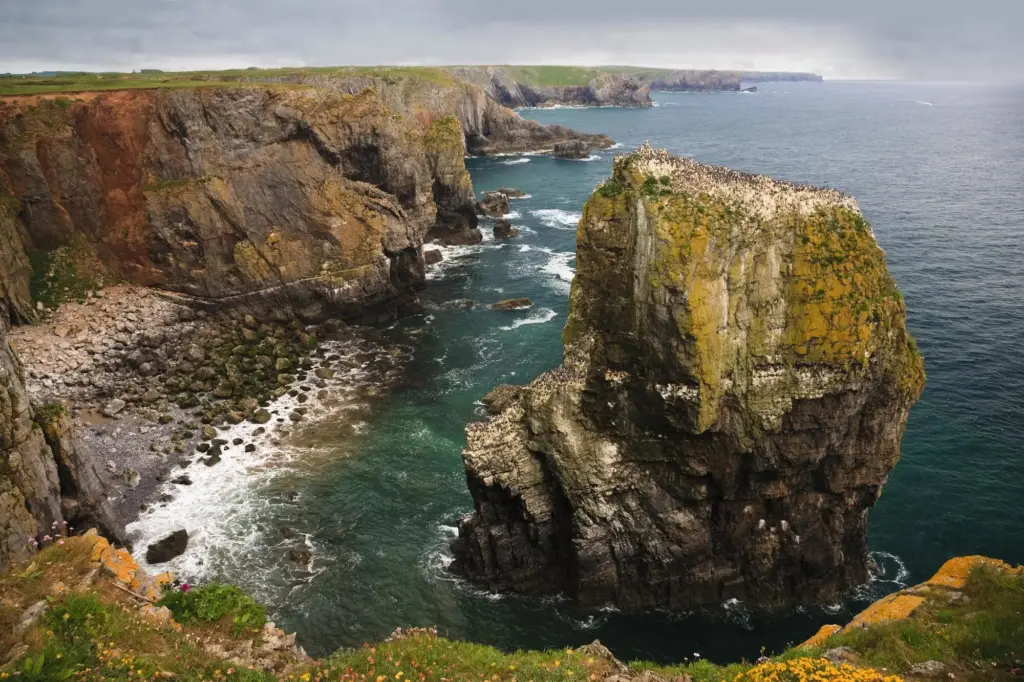
In spring, the gorge brightens with leaf-shimmer and emphatic birdsong. Dippers, wagtails, and warblers claim their stages near pools that once trapped silt. Tread slowly; nesting season magnifies stress. Offer waypoints where paths avoid sensitive banks, and suggest listening stops where echoes show songs’ geometry against cliff and water. Share dawn start times, discreet picnic spots, and field guides you trust, turning a historical ramble into an encounter with renewal that strengthens care.
Summer Shade, Insects, and Patient Timing
Summer’s canopy gives relief and challenge. Nettles flourish along leats, horseflies patrol damp corners, and heat humbles ambition. Pace for water, shade, and observation; save steep heather slogs for cooler hours. Bring non-scented repellent, long sleeves, and an eye for dragonflies over settling ponds. Record which stretches feel muggy, where breezes gather, and which cafés keep late hours. Your notes help others choose calm windows and return with gratitude rather than exhaustion and stings.
Autumn Spate, Winter Clarity, Careful Crossings
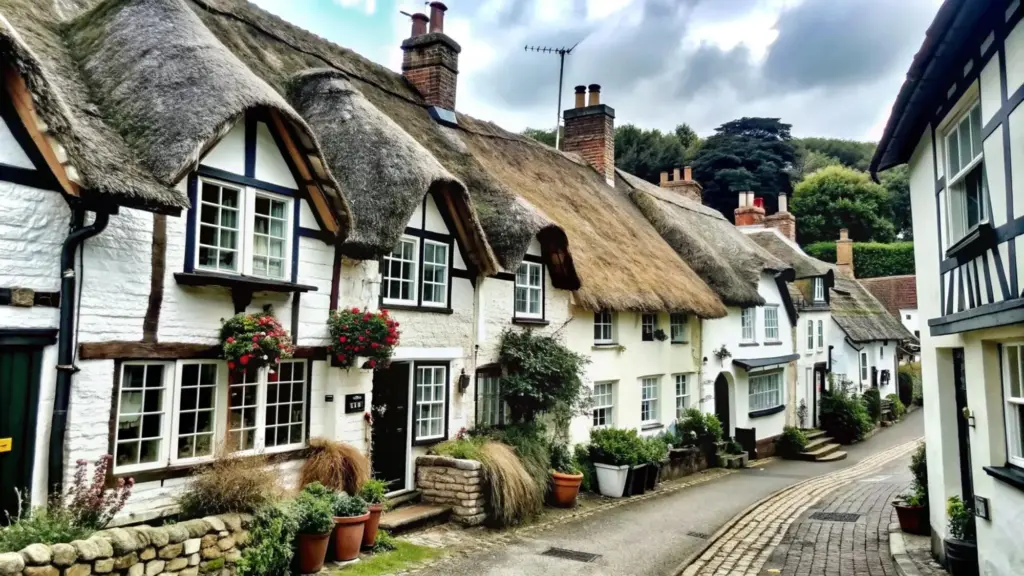
Autumn rains swell rivers, repainting every crossing with risk. Winter then strips leaves, revealing terraces, wheelpits, and mould stones like a blueprint suddenly unrolled. Use poles on slick stepping stones, favor bridges after storms, and keep emergency layers dry. Share photos comparing seasons, highlighting visibility changes and hazards. Your transparent reports encourage flexible plans, teach humility before water’s force, and help preserve joyous exploration where fieldcraft grows sharper as daylight shortens and frost writes warnings.
Plan the Journey and Share It
Good days here begin long before boots touch gravel. Study contour lines, check river gauges, and download offline maps. Park considerately in villages, greet farmers, and keep dogs close near livestock. Afterward, support local museums, tearooms, and archives safeguarding memory. Post route notes, corrections, and respectful photographs, then subscribe for future walks connecting mills, moor, and woodland. Your participation turns scattered knowledge into a steady path others can follow safely, curiously, and with generous spirit.