Waterways and Wild Ways Across Devon

Our focus today is Conservation Stories: Preserving Devon’s Mill Leats and Woodland Footpaths, celebrating careful hands, local memory, and the living weave of water and woodland. Walk with us beside alder-shaded channels and moss-soft paths as we share practical wisdom, humble triumphs, and ways you can help keep these precious routes open, flowing, and welcoming for future wanderers and wildlife alike.

Origins in Stone, Timber, and Flow

Before waymarks and GPS, Devon’s mill leats were lifelines guiding water from moor and spring to wheel and workshop, while woodland footpaths stitched hamlets, forges, and fields into a walkable world. Their curves follow patient logic: gravity, contour, and community need. To understand how to care for them now, we first listen to how they were built, used, adapted, and loved across unforgiving winters and generous harvest seasons.

From Moor to Mill

Picture a miller near Bovey Tracey stepping out at dawn, checking a simple paddle sluice while mist lifts from a careful contour-hugging channel. That trench, edged by turf and stone, delivered steady power without flooding neighbors. Its builders learned patience from granite and rain, testing gradients by eye, hand, and boot, tweaking lines until water behaved like a trusted friend rather than a temperamental guest.

Tracks Through the Trees

Woodland footpaths were not planned on parchment but pressed into existence by everyday need: charcoal burners, drovers, children carrying messages, and herbalists moving between clearings. Root steps, hedgebanks, and holloways remember every passage. When we rebuild a crossing or re-cut a drain, we honor this lived cartography, keeping lines that make sense to feet, hooves, and seasons rather than imposing tidy but heartless shortcuts.

Where Work Shaped the Woods

Saw pits, bark stacks, and coppice stools once thrived along these corridors, feeding tanneries, forges, and cottages. A leat’s steady pull turned wheels that powered lathes, while paths moved tools and laughter home again. Conservation today respects that industrious past by choosing materials and methods that match the character of place, keeping whispers of craft alive while ensuring safety, resilience, and room for returning wildlife.

Reading the Signs of Water and Way

{{SECTION_SUBTITLE}}

Leat Craft and Clues

Look for sluice slots cut into timbers, blade-smooth stones polished by generations of flowing grit, and overflow lips designed to spill during storms. Silt fans accumulate where the current slackens, often near bends hugging a bank of hazel. Measuring gentle fall with a level and staff confirms what the eye suspects. Repairing well means keeping those deliberate subtleties, not straightening personality into something brittle, flashy, and wrong.

Footpath Memory

A stile with one wonky tread might reveal the taller stride of earlier farmers, while a kissing gate nearby signals modern accessibility. Sunken lanes, their walls green with ferns, record centuries of cart traffic. When a path floods, check upslope cross-drains, camber, and blocked grips before blaming boots. The land remembers, and careful observation yields honest fixes that last longer than any hurried, one-size-fits-all intervention.

Care that Heals Without Scarring

Conservation is a craft of restraint and timing. We fix less than we first think, and we choose every tool to minimize damage while maximizing durability. Small crews, handwork, and local materials protect roots, soils, and bank denizens. When machines are needed, we keep tracks narrow, schedule dry-weather access, and leave recovery time. The goal is strength with softness, resilience that still looks, sounds, and feels like Devon.

Indicators in the Riffles

Kick-sampling reveals macroinvertebrates that tell the truth about water quality more reliably than wishful thinking. Stoneflies and olives signal clean flow; sludge worms warn of trouble. Shaded runs keep summer water cool for trout and bullheads. We retain rooty margins for fry refuge, avoid oil and cement contamination, and install small flow deflectors to oxygenate without blasting banks. Monitoring before and after proves whether our careful tweaks truly help.

Shadows After Dusk

At twilight, pipistrelles and Daubenton’s bats work aerial circuits over pools while tawny owls call from oak perches. We schedule noisy tasks away from roosting seasons, keep dark corridors unlit, and maintain continuous hedgerows. In hazel coppice, dormice weave summer nests; leaving brash piles and staggered cutting cycles supports them beautifully. Bird boxes near clearings encourage redstarts, while leaving standing deadwood feeds beetles that, in turn, feed everything else.

Holding Back the Invaders

Himalayan balsam can smother banks, then vanish in winter, letting floods rip soil away. We hand-pull before seed set, compost carefully, and reseed with native mixes. Rhododendron removal follows with biosecurity steps against Phytophthora, including brush-cleaning stations at entrances. Where ash dieback opens canopy, we plant resilient natives like small-leaved lime and field maple. Every action pairs removal with reweaving, so ecological fabric tightens rather than frays.

People Power and Shared Stewardship

These places endure because neighbors show up with flasks, gloves, and good humor. Devon’s Parish Paths Partnerships demonstrate how local volunteers, supported by rights-of-way officers and landowners, achieve miracles one gentle fix at a time. We celebrate stories of families mending a step, retirees rehanging a gate, and school groups counting mayflies. Your photos, notes, and footsteps matter too. Collective attention is the most renewable resource we have.

01

Parish Paths, Practical Magic

A Saturday crew in Sticklepath adjusts a kissing gate, packs stone into a slippery ford, and notes a fallen alder shading a leat bend perfectly. They log issues, share cake, and plan next month’s check of a culvert near Finch Foundry. Modest grants stretch astonishingly far when paired with kindness and skill. If you crave purpose and fresh air, join a session and feel the difference immediately.

02

Young Hands, Bright Questions

School river days turn curiosity into care. Children map tiny eddies with leaf boats, tally caddis cases, and interview elders about winter floods at Otterton Mill. They design handmade signs reminding walkers to brush boots clean. Back in class, they track data over seasons, learning evidence-based stewardship. Invite your local school to adopt a short reach or path length; pride grows fast when results are visible.

03

Keeping the Kettle On

Funding rarely arrives in grand gestures. It trickles in through small grants, community raffles, and kind donations from mill trusts and walking groups. A corporate volunteer day might finance a batch of waymarks; a legacy could rebuild a bridge. Share this page, subscribe for field updates, and tell us where your boots encountered trouble. Every message guides priorities, every pound buys time, and every thank-you sustains momentum.

Adapting for Tomorrow’s Rains and Footfall
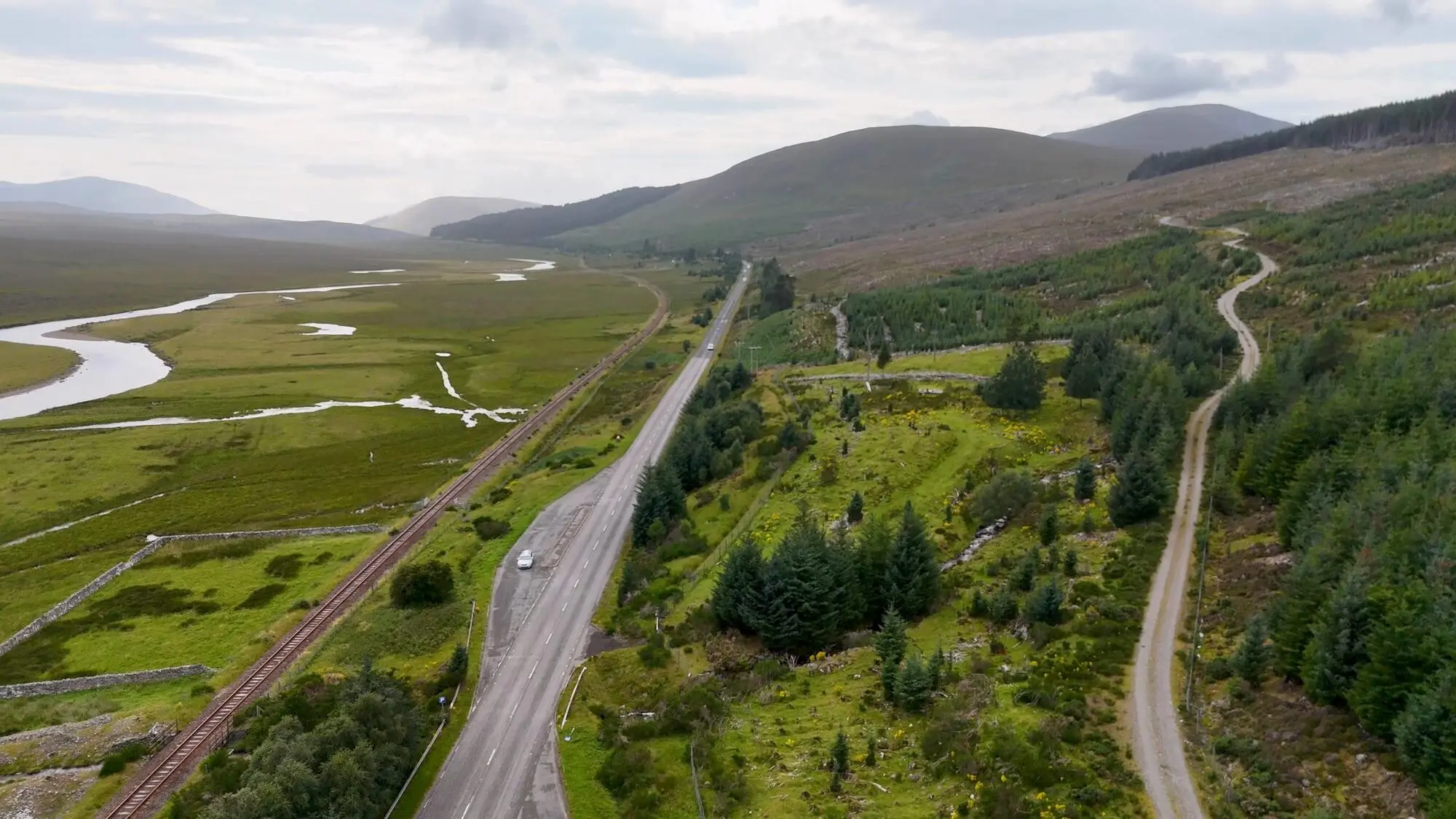
Storm patterns are shifting, summers stretching, and visitor numbers rising. We can meet change with craft and care: adjustable sluices, resilient surfacing, and shaded resting spots that double as habitat islands. Rights-of-way clarity prevents conflict, while thoughtful detours protect roots and nesting. Technology helps, but humility leads. Our aim is simple: keep water moving kindly and feet treading lightly so stories continue, richer, kinder, and more inclusive than before.
Where flashy downpours hit, we add discreet spillways, armored inlets, and berms set back from the channel to park water safely. Adjustable boards in sluices moderate flow without panicking fish. We check downstream capacity before celebrating upstream speed. After storms, rapid inspections catch scoured toes and loosened stones. Think flexible systems, not fortresses; resilience lives in options, redundancy, and neighbors who know who holds the long-handled rake.
Replacing tired stiles with accessible gates broadens who can enjoy the woods, while clear waymarking keeps feet on durable lines. We choose step heights that suit small legs and careful knees, add rest perches near climbs, and reroute short sections to spare ancient roots. Seasonal notices explain sensitive closures honestly. Done this way, inclusion strengthens protection, because more eyes, stories, and advocates gather around the same loved places.
Simple tools can empower everyone. QR codes on posts link to oral histories, habitat notes, and maintenance logs. A shared map lets walkers drop pins for blocked grips, broken rails, and curious sightings of otter prints. Offline layers help in deep valleys. Technology never replaces talking at the gate, but it scales that conversation beautifully. Join our updates, share your photos, and help plot tomorrow’s gentle, workable improvements.
Raybanwellington
Privacy Overview

This website uses cookies so that we can provide you with the best user experience possible. Cookie information is stored in your browser and performs functions such as recognising you when you return to our website and helping our team to understand which sections of the website you find most interesting and useful.