Rivers, Mills, and Mossy Paths: Photographing Devon’s Hidden Lines

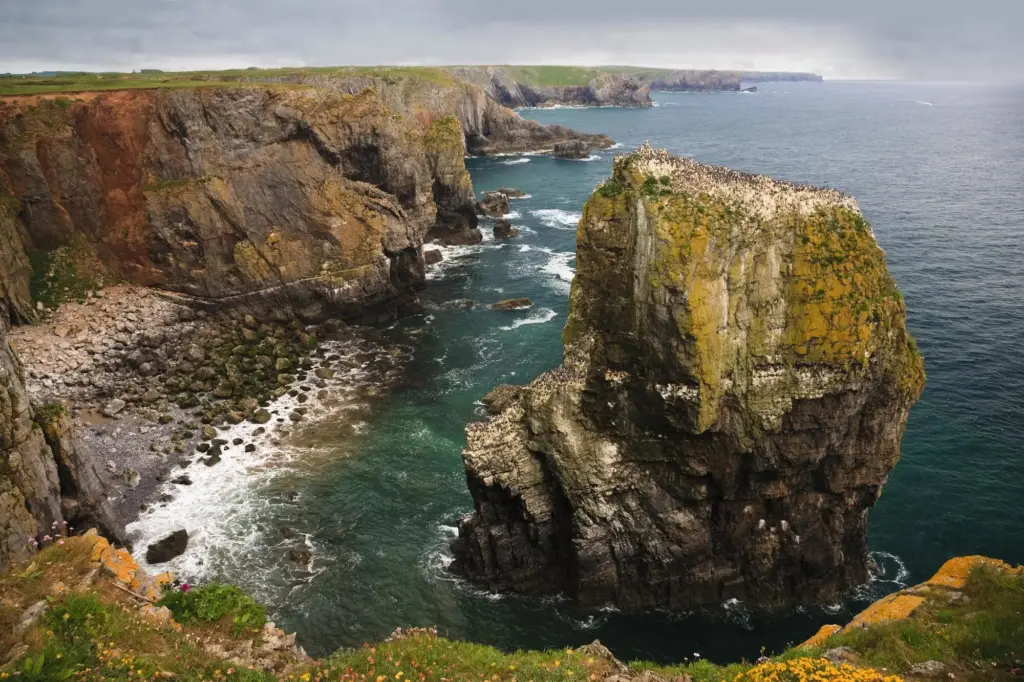
Pack curiosity, patience, and a steady tripod, because we are setting out on a photographic guide to Devon’s riverside mills and forest trails, where flowing water meets seasoned brick and soft leaf‑litter hushes every step. Expect practical fieldcraft, lyrical storytelling, and respectful advice for turning chance encounters with light, mist, and weathered machinery into images that breathe. Share your discoveries, ask questions, and join a community that values craft, place, and the quiet thrill of returning home with photographs that still smell faintly of river spray and pine.

Reading the Map of Water and Woodland

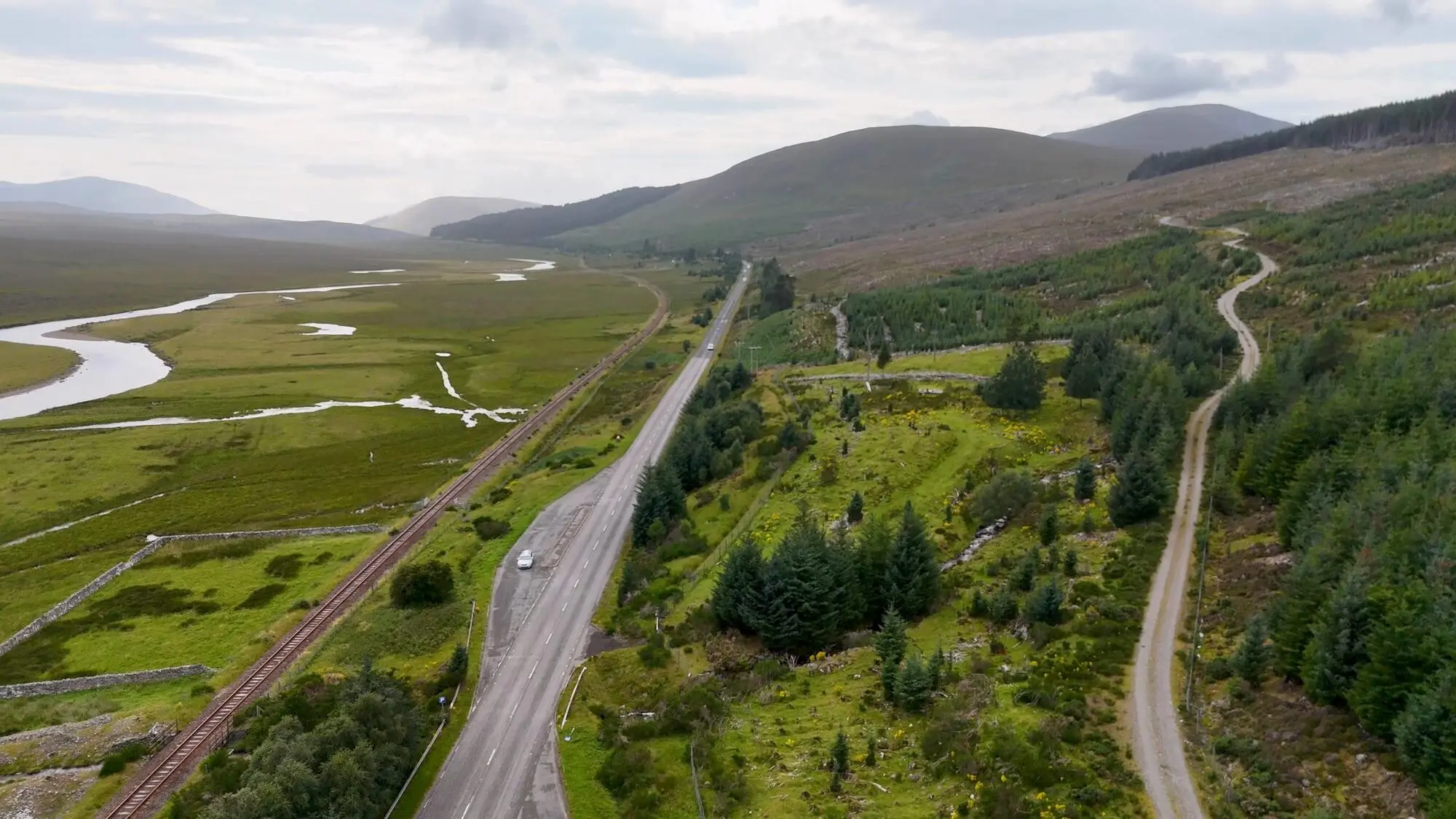
Before a single frame, understand how Devon’s rivers braid through valleys and how trails weave beneath oak, beech, and conifer. Study contour lines, footpaths, and old industrial sites to predict viewpoints, reflections, and safe approaches. Use OS maps, satellite imagery, and local signage to plan entrances, exits, and river fords. Build flexible routes with generous time for detours, because the best photograph often appears just beyond the bend where the millrace sighs and a heron lifts against pale morning cloud.

Tracing Waterways Without Losing the Light

Rivers meander and so should your plan, but keep the sun’s arc in mind when choosing banks and bridges. Sketch mini‑itineraries tied to likely vantage points—downstream bends for reflective calm, upstream riffles for energetic detail. Mark turnaround times to avoid scrambling after dark, and save coordinates for fresh mossy boulders or a wheelpit draped in ivy. If clouds build unexpectedly, pivot to sheltered woodland scenes where diffused light flatters bark, lichen, and the softened geometry of hand‑cut stone.

Access and Terrain: Respecting Gates, Mud, and Gradient

Not every inviting track remains public, and not every stile lands on friendly ground. Cross‑check rights of way, seasonal closures, and permissive paths, especially near working farms and renovated mill properties. Expect slick clay, hidden roots, and quick mud by the banks; pack gaiters, microspikes, and trekking poles. When a path feels wrong, retreat and reroute rather than risk landowner conflicts or twisted ankles. Photographing consistently starts with arriving calmly, leaving gently, and ensuring the next visitor meets unspoiled ground.
Light, Weather, and Timing Along the Dart, Exe, and Taw
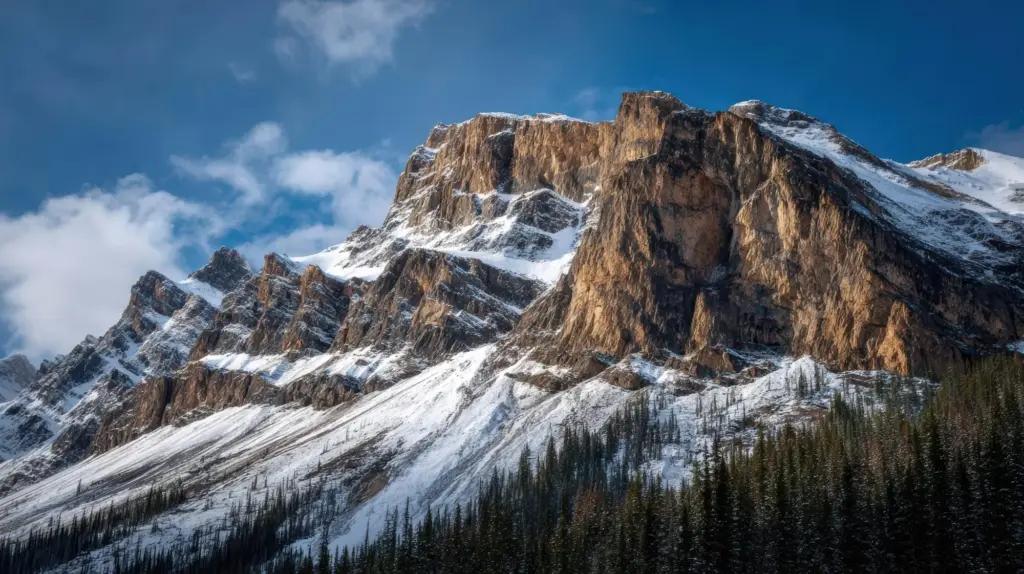
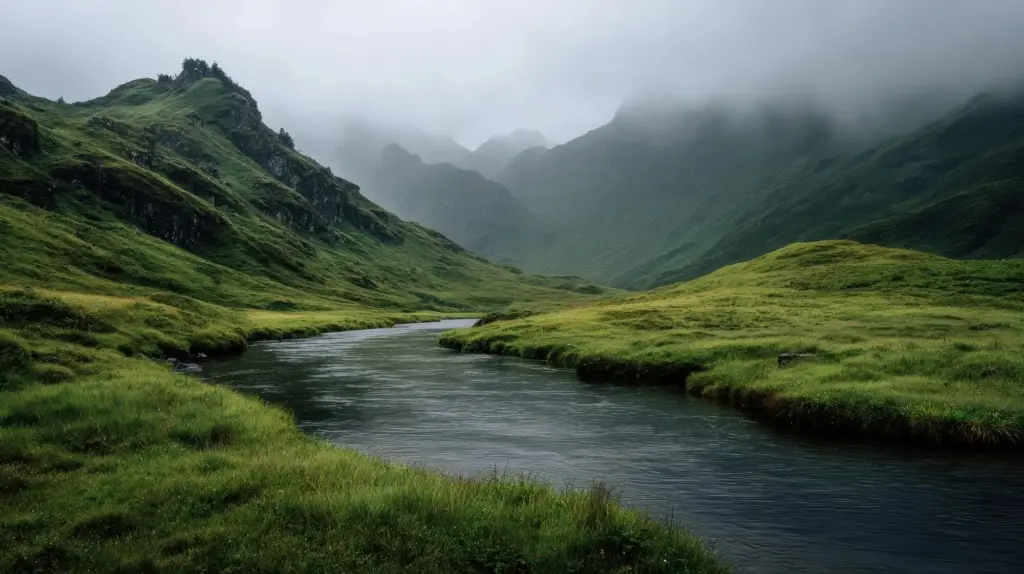
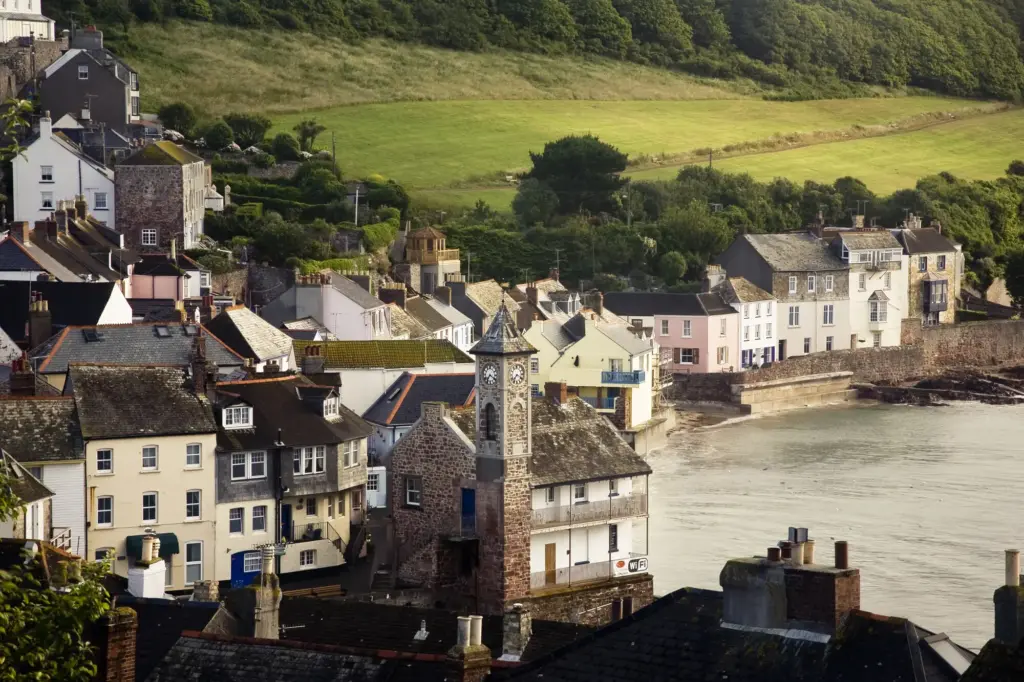
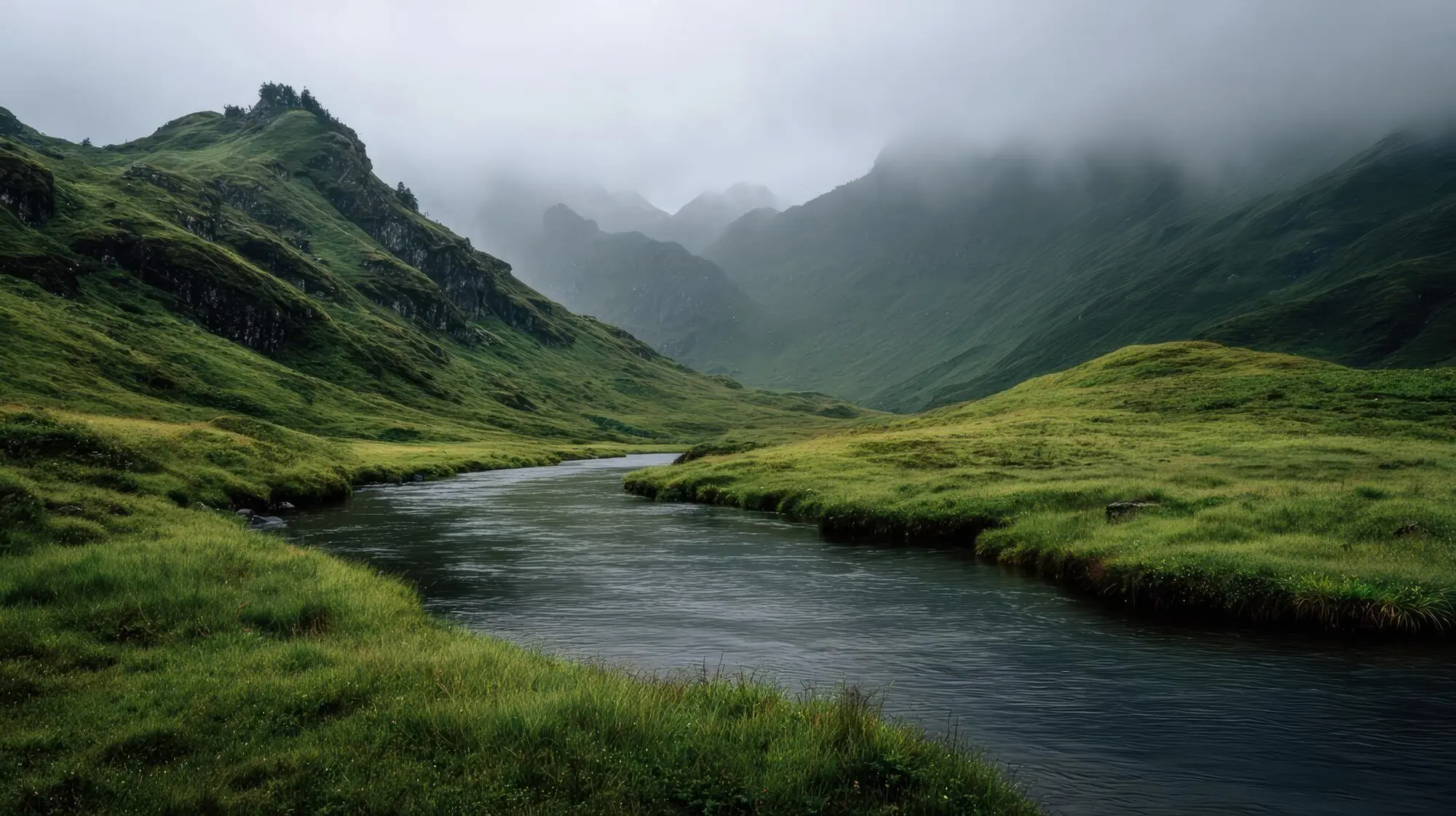
Water and woodland reward patience with sudden gifts: river fog pooling beneath footbridges, dapple traveling across oak trunks, or rain glazing slate into liquid mirrors. Track pressure changes and dew points for mist, and study wind forecasts that ruffle reflections or calm them to glass. Stretch golden hour by working in valley shadow, and treat overcast days as perfect softboxes. Keep spare cloths, lens hoods, and a pocket towel ready, because the loveliest light often arrives hand‑in‑hand with drizzle.

Mills Up Close: Craft, Power, and Patina
Devon’s mills are textbooks bound in timber and iron. Even ruins carry fingerprints—chiselled lintels, chutes cut for grain, bolt holes telling of vanished wheels. Approach with humility and permission, letting caretakers share names, dates, and maintenance quirks. Photograph joinery, tool marks, and waterlogged timbers with gentle side light. Seek the relationship between motion and rest: sluice gates fixed, foam hurrying by. Images that honor labor and ingenuity resonate longer than a quick postcard of bricks beside a stream.

Forest Trails: Lines, Layers, and Quiet Drama

Trails under canopy ask you to translate hush into structure. Use trunks as columns and pathways as gentle arrows, balancing foreground intimacy with background promise. Work low for ferns and fungi kingdoms; rise higher for sweeping rhythms of branches and light slashes. In drizzle, colors deepen like oil paint, and subtle contrasts bloom. Invite viewers to walk by eye: a curve that disappears, a gate ajar, the suggestion of river breath somewhere just ahead, patient and silver.
Paths are more than arrows; they are breathing spaces shaped by roots, stones, and seasonal leaf fall. Compose with negative space so the viewer has room to wander. Counterbalance the path’s pull with a cluster of foxgloves, a leaning stump, or a soft glimpse of water beyond. Embrace asymmetry, letting curiosity tug at the frame’s edge. A shallow puddle can echo sky, extending the trail visually and inviting a step that only happens inside the mind.
Lower your vantage point until fronds become cathedrals and mushrooms feel like lanterns under the green. Diffuse harsh specks with your hat or a translucent cloth. Track subtle signs—boot prints, deer slots, a dog’s playful scramble—that whisper about recent visitors. Pair intimate close‑ups with a wider trail overview to knit micro and macro. Avoid crushing moss or mycelium; a small kneeling pad helps. Your attention becomes stewardship when every careful move leaves the smallest possible trace.

Tools of the Riverbank: Lenses, Filters, and Support

Pack deliberately, carry lightly. Ultra‑wides carve grand interiors of mills and sylvan tunnels; short teles compress river braids and wheel details. A circular polarizer is essential, ND filters optional but inspiring. Tripods matter most; feet need spikes or rubber caps for rock and plank. Keep microfiber cloths, dry bags, and silica sachets ready. Comfort equals stamina: waterproof boots, thin gloves, and snacks that forgive rain. Gear should enable noticing, not overwhelm it, so refine kits with every outing.
Use an ultra‑wide to place viewers on the bank, feeling stones underfoot and mill walls rising. Step to a 35mm or 50mm for natural storytelling distances that flatter people and space. Reach to 85–135mm when river patterns compress beautifully or wildlife keeps respectful distance. Remember that moving your feet changes relationships more than swapping glass. Build small lens trios you actually carry, and let the day’s weather and access shape which combination shoulders the work.
A circular polarizer tames glare, saturates wet greens, and reveals riverbed structure, but rotate lightly to preserve desired reflections. Neutral density filters extend shutter times for texture, especially at weirs, without demanding twilight. A modest soft‑edge grad can calm bright sky pockets through branches. Keep threads clean, stack minimally to avoid vignetting, and store filters in a slim wallet. When rain arrives, filter use declines—embrace droplets and work compositions that celebrate the mood rather than fight it.
Tripods deserve deliberate placement: two legs toward the river, one back for balance, spikes for mud, rubber for stone and wood. Hang your bag low only if wind is gentle, otherwise cradle the setup with your body. Use a remote or timer, stabilize elbows for handheld shots, and always test footing before leaning forward. Keep lens hoods on, pack a small towel, and field‑strip gear under a tree rather than in open drizzle. Safety buys time for creativity.

Care for Place: Access, Safety, and Etiquette

Photographing beautifully includes behaving beautifully. Stay on paths where requested, close gates, and greet landowners with open courtesy. Ask before entering mill yards or interiors, and honor any photography restrictions. Keep dogs leashed near livestock, and give anglers and walkers space. Watch river levels, especially after heavy rainfall, and never step onto submersed stones for a marginal angle. Pack out every crumb. When you publish, credit places generously, encourage respectful visits, and model the stewardship you benefitted from.

From Field Notes to Finished Series

Raybanwellington
Privacy Overview

This website uses cookies so that we can provide you with the best user experience possible. Cookie information is stored in your browser and performs functions such as recognising you when you return to our website and helping our team to understand which sections of the website you find most interesting and useful.